Custom Denim Iron-On Patches
Custom denim iron-on patches are bespoke fabric badges built on a denim or twill base, finished with a heat-activated adhesive backing that bonds to clothing under heat and pressure. The phrase covers two related products: patches made from denim fabric, and iron-on patches designed for application to denim jeans and jackets.
We design, digitise and produce custom denim iron-on patches across the UK in embroidered, woven, printed and distressed styles, with free artwork proofs and tracked delivery. Every patch is finished with a strong heat-seal film that holds through repeated washing on cotton, denim and twill garments.
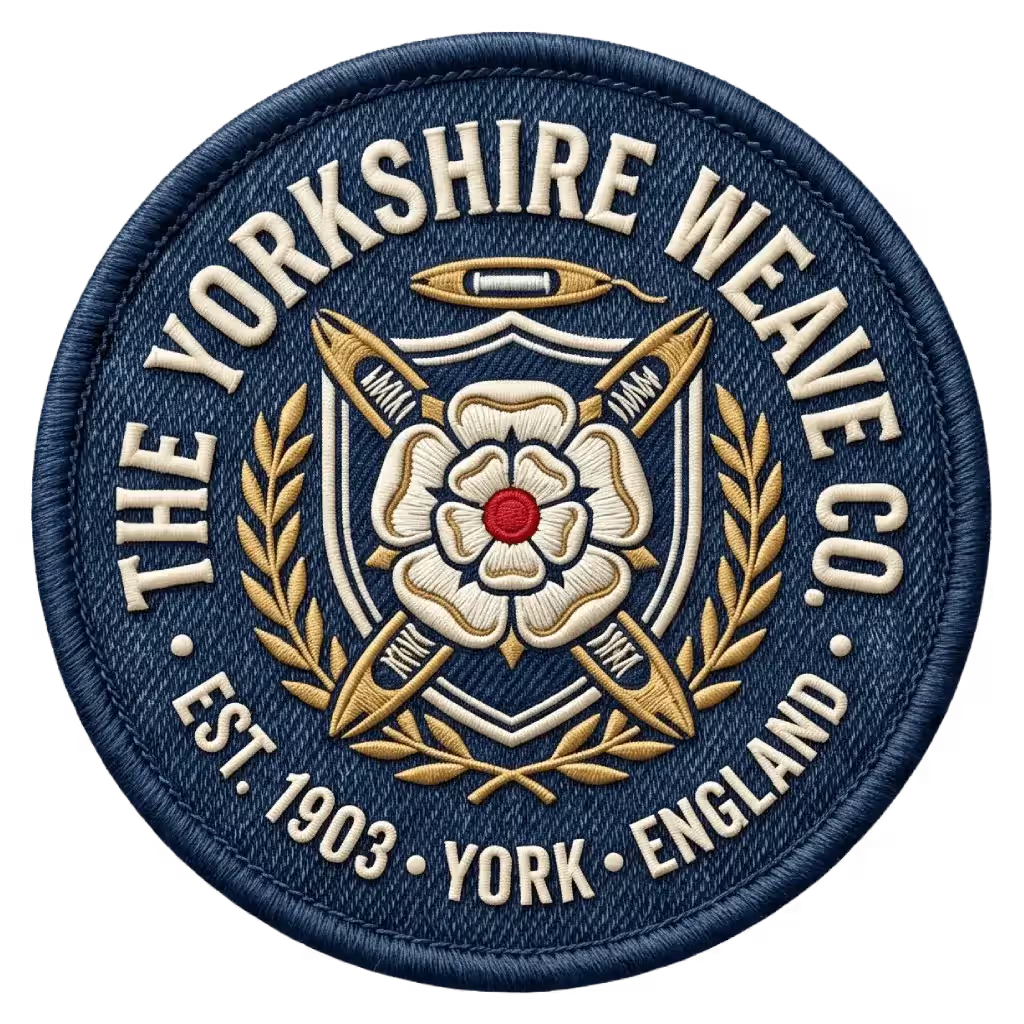
Denim BaseHeat-Seal Finish
What Are Custom Denim Iron-On Patches?
Custom denim iron-on patches are personalised cloth badges that carry a denim aesthetic and attach to a garment through heat rather than thread. The adhesive activates between 130°C and 180°C, bonds the patch to the fabric fibres, and sets permanently as it cools. Each patch carries a custom design, a logo, name, number, crest or graphic, produced from your supplied artwork.
Denim iron-on patches differ from standard embroidered patches by their base fabric and their finish. A denim patch uses a woven cotton-twill denim cloth as its foundation, which gives the badge a rugged, casual texture that suits jeans, jackets and workwear. The iron-on backing then converts that denim badge into a heat-applied patch, which removes the need for sewing.
UK fashion brands, streetwear labels, denim repair specialists and individual customers order custom denim iron-on patches to brand garments, repair worn jeans and personalise jackets. The same patch product serves repair and decoration, but the design specification, size and backing choice change based on the use case.
Denim-Fabric Patches vs Patches Applied to Denim
The keyword "denim iron-on patch" describes two distinct products, and the right one depends on your goal. A denim-fabric patch is a badge constructed on a real denim base, the patch itself looks and feels like denim. A patch applied to denim is any patch type, embroidered or printed, that bonds onto a denim garment such as jeans or a jacket.
Denim-fabric patches suit fashion projects where the denim texture is part of the design, such as branded jacket badges, distressed streetwear motifs and indigo logo patches. Patches applied to denim suit repair and personalisation, where the patch covers a tear or adds a custom graphic to an existing denim item. We produce both, and our design team confirms the correct option once you submit your brief.
The Three Layers of a Denim Iron-On Patch
Every denim iron-on patch carries three core layers, and each layer performs a specific job. The combination of the three layers determines how the patch looks, how it feels, and how long it lasts on a garment.
- Top design layer - The visible surface that carries your artwork. Embroidery thread, woven thread, dye-sublimation print or a raw denim finish forms this layer. The design layer decides the colour count, the texture and the detail level of the finished patch.
- Denim or twill base fabric - The structural foundation beneath the design. Denim twill weighs around 220 GSM, which holds dense embroidery without puckering and gives the patch dimensional stability through washing.
- Heat-seal adhesive film - The thermoplastic layer bonded to the reverse during finishing. The adhesive film is the defining feature; it converts a standard denim badge into an iron-on patch that bonds with heat alone.
The adhesive film bonds to natural fibres faster than synthetic fibres, which makes denim, a tightly woven cotton fabric, one of the strongest surfaces for iron-on application. This compatibility carries through the next section, where the patch type decides the surface technique used on the design layer.
Types of Custom Denim Iron-On Patches We Make
Custom denim iron-on patches are produced in five main types. Each type uses a different surface technique on the design layer, but all five share the same heat-seal denim backing. The right type depends on the design complexity, the colour count, the texture you want, and the garment the patch will sit on.
Embroidered Denim Patches
Embroidered denim patches are stitched with polyester thread onto a denim or twill base. The thread sits raised above the surface, which gives the patch a textured, premium feel against the smooth denim ground. Embroidered patches handle bold logos, lettering and crests with under nine thread colours. Stitch density reaches 1,500 stitches per square inch on our standard production, which prevents fraying and protects the design through hundreds of wash cycles. Embroidered denim patches suit fashion brands, biker jackets and club badges.
Woven Denim Patches
Woven denim patches are produced on a Jacquard loom using fine polyester thread, then mounted on a denim backing. The thread is thinner than embroidery thread, which allows woven patches to capture small text, fine lines and detailed logos that embroidery cannot reproduce. Woven patches lie flat against the garment with a smooth finish. They suit streetwear labels and corporate logos with intricate detail.
Printed Denim Patches
Printed denim patches are made by dye-sublimation onto a polyester or denim-effect base. The print method reproduces full-colour photographs, gradients and unlimited colour counts with photographic accuracy. Printed patches feel flat and smooth to the touch. They suit promotional patches, festival merchandise and any design that contains complex colour blends.
Distressed & Raw-Edge Denim Patches
Distressed denim patches use a frayed, raw-edge finish that exposes the denim weave around the border. The raw edge produces a worn, vintage aesthetic associated with heritage workwear and streetwear. Distressed patches suit denim jackets, tote bags and fashion-led designs where the denim character is the design. They are best applied to heavy fabrics such as denim, canvas and thick cotton.
Leather-Trim Denim Patches
Leather-trim denim patches combine a denim base with an embossed leather or faux-leather detail. The mixed-material finish delivers a premium, branded look favoured by jeans labels and fashion houses. Leather-trim patches carry a sew-on backing as standard for genuine leather, since leather does not accept iron-on adhesive reliably. We confirm the correct backing at the proof stage.
Comparison of the five custom denim iron-on patch types by best use, texture, finish and detail level
| Patch Type | Best For | Texture | Finish | Detail Level |
|---|---|---|---|---|
| Embroidered | Fashion, jackets, clubs | Raised, textured | Stitched | Medium-high |
| Woven | Streetwear, fine logos | Flat, smooth | Tight weave | Very high |
| Printed | Photo designs, gradients | Flat, smooth | Sublimated | Very high |
| Distressed | Vintage, heritage, fashion | Frayed, raw | Raw-edge denim | Low-medium |
| Leather-Trim | Premium jeans labels | Mixed material | Embossed + denim | Medium |
The right patch type depends on your design and your garment. Our design team recommends the correct option once you submit your artwork, which protects your investment and guarantees the finished patch matches your brief. The choice of type also affects how you apply the patch to denim, which the next section covers in full.
Denim Washes & Colour Options
Custom denim iron-on patches are produced in a full range of denim washes, which lets the patch base match or contrast the garment it sits on. The wash decides the shade, the tone and the character of the denim base, from deep indigo to faded acid-wash. We hold denim cloth in multiple washes in stock, which keeps the base fabric a deliberate design choice rather than a default.
Pantone Colour Matching for Denim Patches
Pantone colour matching keeps brand colours consistent across every patch in a denim order. Supply your brand colours as Pantone (PMS) references, and we match both the thread shades and the denim base to those codes. Pantone matching protects brand identity across repeat orders, which matters for fashion brands and streetwear labels that reorder the same patch over multiple seasons.
Thread colour and base colour work together on a denim patch. A high-contrast pairing, light thread on indigo, for example, makes a logo legible from a distance, while a tonal pairing produces a subtle, premium finish. Our design team advises on the contrast that suits your artwork, which leads directly into how the finished patch bonds to a denim garment.
How to Iron a Patch Onto Denim
Iron-on patches are applied to denim with heat and firm pressure. Denim is the strongest fabric for iron-on application, so the bond forms quickly and holds reliably. The full process takes under two minutes per patch. Follow the six steps below for a permanent bond on jeans, denim jackets and other denim garments.
Pre-heat the iron to 150°C (302°F)
Set your household iron to the cotton setting. Switch off the steam function, because moisture weakens the adhesive bond on denim.
Position the patch on the denim
Place the patch face-up on the chosen spot. Press the garment flat first to remove creases that would distort the patch during application.
Cover the patch with a thin pressing cloth
A cotton tea towel or muslin cloth works well. The pressing cloth protects the patch surface from direct iron contact, which prevents thread scorching and adhesive overflow.
Press firmly for 30 seconds
Apply steady downward pressure with both hands. Do not slide the iron. Denim is a thick fabric, so hold the iron in position to drive heat through to the adhesive layer.
Flip the garment and press the reverse for 15 seconds
Pressing from the inside of the denim activates the adhesive from beneath the fabric, which creates a stronger bond and seals the patch edges. Denim's thickness rewards this reverse press more than thinner fabrics.
Allow the patch to cool fully before checking
The adhesive sets as it cools. Wait 5-10 minutes, then test the bond by lifting one corner gently. If the patch lifts, repeat steps 4 and 5 with an extra 10 seconds of pressure.
Why Denim Is the Strongest Fabric for Iron-On Patches
Denim is the strongest pairing for heavy-duty iron-on patches. Denim is a cotton twill with a tight, dense weave, which gives the heat-seal adhesive a solid surface to grip. Cotton fibres absorb heat evenly and accept the adhesive at full strength, so the bond reaches maximum hold without scorching the fabric. Denim jackets, jeans and workwear hold iron-on patches through repeated wear and washing.
Heavier denim weights, such as raw denim and selvedge, benefit from a longer press time of 40 seconds and an extra 15 seconds on the reverse. The thicker the denim, the longer the heat needs to travel to the adhesive layer.
When to Sew Instead of Iron
Iron-on backing suits most denim garments, but heavy-wash and high-friction items perform better with a stitch reinforcement. Workwear denim, garments that pass through industrial laundry, and jeans worn at high-stress points such as the knee benefit from a single stitch line around the patch perimeter. The stitch border prevents the edges from lifting and extends the patch lifespan to match the life of the garment. Reinforcement stitching takes around five minutes per patch and works on every denim patch type we produce.
Repairing Jeans & Jackets With Iron-On Denim Patches
Custom denim iron-on patches repair worn jeans and jackets while maintaining a natural, intentional look. A denim patch covers a rip, a tear or a worn area, and because the patch shares the denim character of the garment, the repair reads as a design feature rather than a visible fix. UK customers use denim patches to extend the life of favourite jeans, revive vintage jackets and reinforce high-wear areas before they fail.
Inside vs Outside Application
Denim iron-on patches apply to either the outside or the inside of a garment, and the choice depends on the goal. Outside application is decorative and visible, the patch shows as a badge, logo or feature. Inside application is discreet and reinforcing, the patch sits behind a thin or worn area to strengthen the fabric without showing on the surface.
For a tear, an inside patch reinforces while an outside patch covers, and many repairs use both: an inside patch for strength and an outside patch for finish. Either method follows the same six-step iron-on process, and either method holds reliably on denim's tight weave. This durability raises the next practical question for buyers, which industries rely on denim patches, and what they cost.
Industries & Use Cases for Denim Patches
UK businesses, fashion labels and individuals order custom denim iron-on patches for branding, repair and personalisation. The denim base suits any garment with a casual, rugged or heritage character, but the design specification, size and quantity change based on the use case. The same denim patch product serves a one-off jacket badge and a 5,000-piece fashion run.
Fashion Brands & Streetwear
Independent fashion brands and streetwear labels use custom denim patches as a core branding tool. Denim patches sit on the chest, sleeve or back of jackets, hoodies, work shirts and bomber jackets. The denim texture signals heritage and craft, which suits capsule collections and graphic-led drops. No minimum order quantity is required, which suits small UK labels launching a collection without committing to bulk garment customisation.
Denim Jacket Personalisation
Denim jackets are the natural home for denim patches. Individuals and brands personalise plain jackets with custom badges, monograms and back patches that bond with a household iron. Iron-on application lets the customer attach the patch at home, which removes the cost and delay of a tailor.
Band Merch & Events
Bands, festivals and events order custom denim patches as merchandise and giveaway items. The vintage character of distressed and acid-wash denim suits music merchandise and retro event branding. Printed denim patches deliver the photographic detail needed for complex artwork, while embroidered patches handle bold logos and lettering.
Workwear & Heritage Brands
Heritage workwear brands and trade businesses order denim patches for jackets, aprons and tool bags. The denim base matches the rugged aesthetic of workwear, and a sew-on reinforcement extends the patch through industrial wear. Embroidered denim patches carry the company logo, role title or brand mark.
The use case shapes the specification, and the specification drives the price. The next section explains exactly how denim patch pricing is built.
Custom Denim Patch Sizes, Shapes & Pricing
Custom denim iron-on patches are produced from 25mm to 300mm in any custom shape. Standard popular sizes are 50mm, 75mm and 100mm, while larger back patches for denim jackets reach up to 300mm. Every patch is cut to a round, square, shield or fully bespoke die-cut shape, and the shape carries no additional cost over a standard outline.
What Affects the Price
Custom denim patch pricing depends on five factors. We list every cost upfront, with no setup fees, no digitising charges and no hidden extras. View our full pricing guide.
- Patch Type - Embroidered and woven denim patches share a similar price band. Printed patches cost slightly less. Distressed and leather-trim patches cost more due to additional finishing.
- Patch Size - Price scales with size. A 50mm patch costs less than a 75mm patch, which costs less than 100mm. Most UK orders fall in the 50-100mm range.
- Quantity - The largest saving driver. Per-unit cost drops sharply between 50 and 250 patches, and again at 500 and 1,000.
- Colour Count - Affects embroidered patches. Up to nine thread colours are included. Designs above nine colours need approval at the quote stage.
- Backing Finish - Iron-on backing carries no upcharge and is included in the base price. Sew-on and Velcro backings add a small per-unit fee.
No Minimum Order & Turnaround
There is no minimum order for embroidered, woven, or printed denim patches. Single-patch sample orders are available on request, and sample fees are credited against any subsequent bulk order. Standard UK turnaround runs 7-14 working days from proof approval, which includes production and tracked dispatch. Express production compresses the timeline to 3-5 working days for an additional fee.
VAT is added at the standard UK rate of 20%. UK businesses with a valid VAT number reclaim VAT through their normal returns.
Denim Iron-On vs Sew-On vs Velcro
Denim patches share the same denim base and surface design, but use different backings to attach to a garment. The backing decides how the patch goes on, how long it stays on, and whether you can remove it later. The right backing depends on the garment and how hard it is used.
| Attribute | Iron-On | Sew-On | Velcro |
|---|---|---|---|
| Application method | Heat and pressure | Needle and thread | Hook-and-loop fastening |
| Application time | 30 seconds | 10-20 minutes | Instant |
| Skill required | None | Basic sewing | None |
| Permanence | Permanent (with care) | Most permanent | Removable |
| Wash tolerance | 30°C, 50+ cycles | Industrial wash | 30°C, gentle |
| Best fabric | Denim, cotton, twill, canvas | All fabrics | All fabrics |
| Best use case | Fashion, branding, repair | Workwear, heavy use | Swappable badges |
| Removability | Difficult | Difficult | Instant |
Iron-on backing is the standard choice for denim, because denim's tight cotton weave grips the heat-seal adhesive at full strength. Sew-on backing suits denim workwear and any garment that passes through industrial laundry. Velcro backing suits denim items where the wearer needs to swap patches between garments. We produce all three backings in our UK workshop, and our team recommends the right option based on your garment and use case.
Durability, Care & Washing
Custom denim iron-on patches last for years when applied correctly and washed gently. The adhesive bond, the thread quality and the denim base all hold up to repeated use, but specific care extends the lifespan from dozens of washes to hundreds. Denim is forgiving, its thickness and tight weave protect the patch edges from lifting.
Washing Denim Garments With Patches
Wash denim garments at 30°C on a gentle cycle. Turn the garment inside out before washing, which protects the patch surface from abrasion against the drum. Use a mild detergent without bleach or fabric softener. Avoid hot washes above 40°C until the patch has been on the garment for at least 48 hours and through one full wash cycle.
Air-dry denim garments where possible. Tumble-drying on a low heat setting is acceptable, but high heat reactivates the adhesive and weakens the bond. Iron the denim around the patch rather than directly over it; if you need to iron over the patch, place a pressing cloth between the iron and the patch surface. Denim iron-on patches last 25-50 wash cycles under standard care, and a stitch border around the edge extends the lifespan to match the life of the garment.
Our Customers Reviews
UK fashion brands, repair specialists and individuals return to us for custom denim iron-on patches because we deliver consistent quality on time, every time. Read all our customer reviews.
Frequently Asked Questions
Get a Free Quote for Your Custom Denim Iron-On Patches
Order custom denim iron-on patches from a UK manufacturer with free design, no minimum order, and tracked delivery across the UK. Submit your artwork or brief through the quote form, and our design team replies with a digital proof and an itemised price within 24 hours. No setup fees, no digitising charges, and no commitment until you approve the proof.
Whether you need denim-fabric patches for a fashion collection or iron-on patches to repair and personalise denim jeans and jackets, our UK production team builds patches that last. Order today and join thousands of UK customers who trust us with their branding.