Iron-On vs Sew-On Patches: Which Backing Should You Choose?
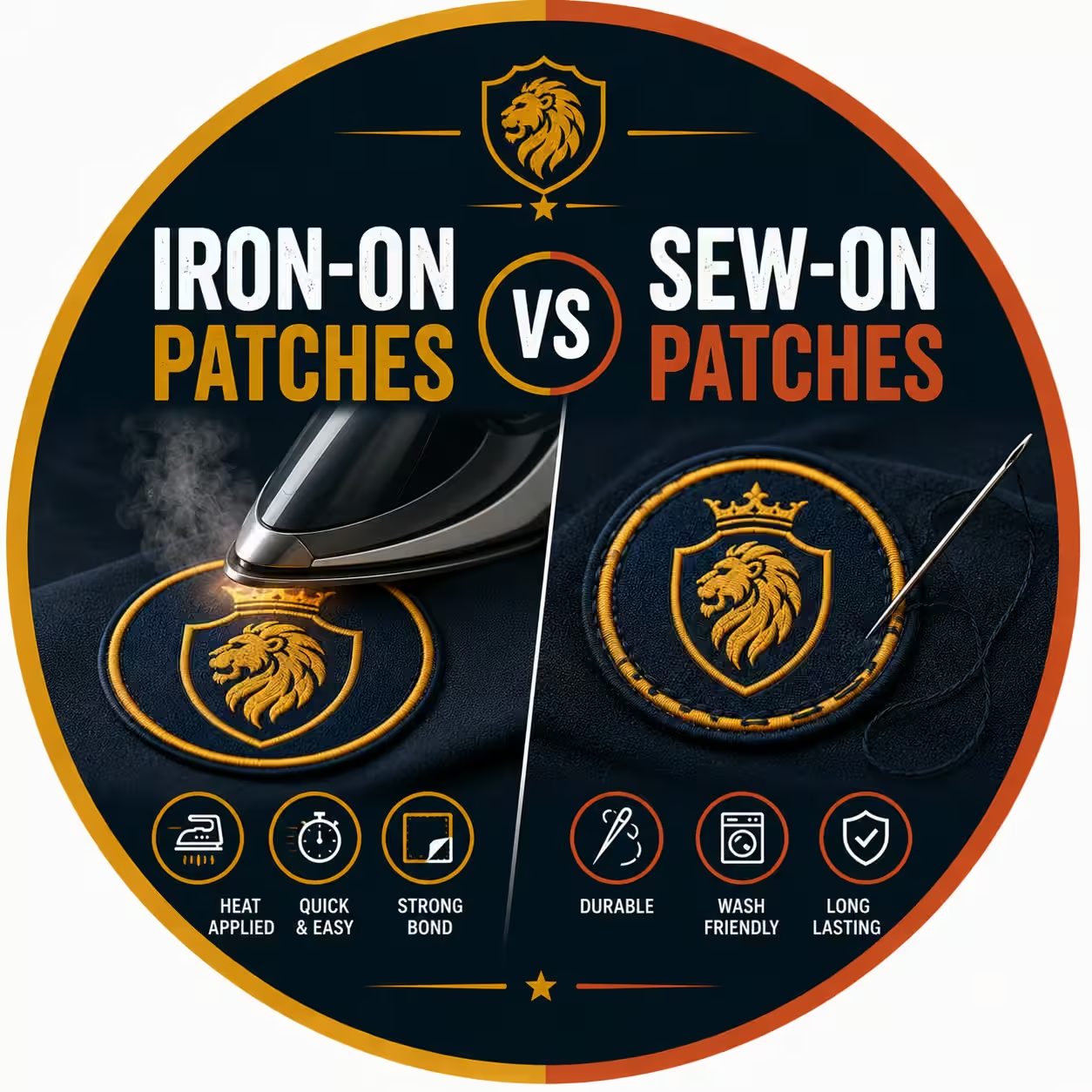
Iron-on patches use a heat-activated adhesive backing that bonds to fabric at roughly 150–170°C. Sew-on patches attach by thread stitching for a permanent, machine-washable hold.
Both backings turn a custom embroidered patch into a wearable badge, yet each one suits a different garment, durability need and application method. This guide compares iron-on and sew-on patches across the factors that decide your UK custom patch order.
- Every Backing Made in the UK
- Free Design & 24-Hour Proof
- Low Minimums
BackingsIron-On · Sew-On · Velcro
What Is the Difference Between Iron-On and Sew-On Patches?
Iron-on patches and sew-on patches differ by one factor: the attachment method. Iron-on patches carry a heat-seal adhesive layer on the reverse. Sew-on patches carry a plain or fabric backing that accepts a needle and thread. The adhesive bonds the patch through heat and pressure. The thread bonds the patch through mechanical stitch tension. This single difference shapes durability, washability and the fabrics each backing suits.
Iron-On vs Sew-On Patches: Side-by-Side Comparison
The table below compares iron-on and sew-on patches across the attributes that matter most to a custom order.
| Attribute | Iron-On Patches | Sew-On Patches |
|---|---|---|
| Attachment method | Heat-activated adhesive | Thread stitching |
| Permanence | Semi-permanent | Permanent |
| Durability | Moderate | High |
| Washability | Limited (cool, gentle washes) | Excellent (hot, repeated washes) |
| Application difficulty | Easy, household iron | Moderate, needle or machine |
| Application time | Under 1 minute | 5–15 minutes per patch |
| Removability | Reheat and peel | Unpick the stitches |
| Best fabrics | Cotton, denim, poly-cotton | Almost all fabrics |
| Unsuitable fabrics | Nylon, leather, waterproof, heat-sensitive | None significant |
| Best for | Quick badges, logo patches, light wear | Workwear, uniforms, jackets, heavy wear |
Each backing answers a different priority: iron-on backing prioritises speed, while sew-on backing prioritises strength. Both options sit within the wider family of patch backing types we manufacture in the UK. The next section explains the mechanics behind each method.
How Each Backing Method Works
Iron-on patches and sew-on patches use opposite bonding mechanisms. One relies on thermal adhesion. The other relies on mechanical stitching. Understanding both processes clarifies why durability and washability differ between the two backings.
How Iron-On (Heat-Seal) Backing Works
Iron-on backing works through thermal bonding. The reverse of the patch holds a heat-seal film made from a thermoplastic adhesive. Heat from an iron raises the film above its melting point, and the adhesive flows into the weave of the garment. Pressure holds the patch in place while the bond forms. The adhesive then cools and solidifies, locking the patch to the fabric. A protective sheet of baking parchment shields the embroidery thread during pressing. For a step-by-step method, follow our guide on how to apply iron-on patches at home.
How Sew-On Backing Works
Sew-on backing works through mechanical fastening. A needle passes thread through the patch edge and the garment, and a continuous stitch line binds the two layers together. The thread distributes load across many anchor points around the merrow border. This stitched connection resists peeling, washing and tension. Sew-on backing carries no adhesive, so heat and waterproof coatings present no obstacle. The mechanical bond explains why sew-on patches attach to nylon, leather and technical fabrics that reject iron-on backing.
Durability and Washability Compared
Durability and washability separate iron-on patches from sew-on patches more than any other factor. Adhesive bonds weaken under repeated heat and moisture. Stitched bonds hold their grip across hundreds of wash cycles. The lifespan of each backing depends on wash temperature, fabric type and wear intensity.
How Long Does an Iron-On Patch Last?
An iron-on patch lasts between 12 and 25 washes on average with correct application. Cool washes, inside-out laundering and air drying extend this lifespan. Hot water, tumble drying and friction soften the adhesive and lift the patch edges over time. An iron-on patch reinforced with a few border stitches lasts far longer. Our detailed breakdown of how long iron-on patches last covers each lifespan factor in turn.
How Long Does a Sew-On Patch Last?
A sew-on patch lasts the lifetime of the garment in most cases. The stitched thread withstands hot washes, tumble drying and constant movement. Workwear, uniforms and motorcycle jackets keep their sew-on patches through years of daily use. The thread, not an adhesive, carries the load, so heat and moisture cause no failure. Sew-on backing therefore suits any garment that demands maximum durability.
Which Fabrics and Use Cases Suit Each Backing
Iron-on patches and sew-on patches each suit a different fabric and use case. The fabric decides whether the backing bonds. The use case decides whether the bond lasts. Matching backing to garment prevents lifted edges, failed adhesion and wasted patches.
Can You Iron On and Sew the Same Patch?
Iron First, Then Stitch the Border
Yes, you can iron on and then sew the same patch for maximum hold. The iron-on adhesive positions the patch and holds it flat while you stitch. The thread then locks the patch permanently around its border. This hybrid method combines the convenience of iron-on placement with the strength of sew-on attachment. Many customers iron a patch first, then add a border stitch line to stop the edges peeling after repeated washes. The two backings reinforce each other rather than compete. This technique works best on durable fabrics such as denim, canvas and twill.
Choosing the Right Backing for Your Custom Patches (UK)
The right backing depends on three factors: the garment fabric, the wash frequency and the desired permanence. Iron-on backing serves fast, semi-permanent placement on heat-tolerant fabrics. Sew-on backing serves permanent attachment across almost every fabric. Velcro backing serves removable, repositionable use. Each custom patch carries the backing you specify at the order stage, so the choice stays in your hands.
Custom Iron On Patches manufactures embroidered, woven, PVC, printed and chenille patches in the UK with your choice of backing on every order. Each patch includes free artwork, accurate brand colour matching and a 24-hour proof. The team digitises your design, confirms the backing type and produces the patch to your specification. To start a bespoke order with the backing that suits your garment, explore our custom iron on patches range and request a free quote.
Iron-on, sew-on or Velcro – specified free on every UK order
What Our Customers Say About Each Backing
We ordered sew-on club colours for our chapter jackets. Two winters on, every patch is still exactly where it was stitched. The merrow border finish is spot on.
I wasn’t sure which backing to pick for 120 school jumpers. The team recommended iron-on, sent a proof the next morning, and parents applied them at home in under a minute.
Our workwear goes through a 60°C industrial wash every week. We switched to sew-on backing on their advice and the fraying problem disappeared completely.
Ironed the badges onto our denim jackets, then ran a border stitch round the edge as suggested. Best of both, nothing has lifted after a full season of gigs.
Frequently Asked Questions
Summary
Iron-on patches and sew-on patches solve the same task through opposite bonding methods. Heat-seal adhesive gives iron-on patches quick, semi-permanent placement on heat-tolerant fabrics. Thread stitching gives sew-on patches a permanent, fabric-flexible bond built for heavy wear. Speed favours iron-on backing; durability and fabric range favour sew-on backing. A hybrid iron-and-sew method captures both strengths on durable garments. Match the backing to your fabric, wash frequency and permanence, and your custom UK patches stay in place for as long as you need.